Openness factor is the whole decision: lower numbers cut more sun, higher numbers keep more view.
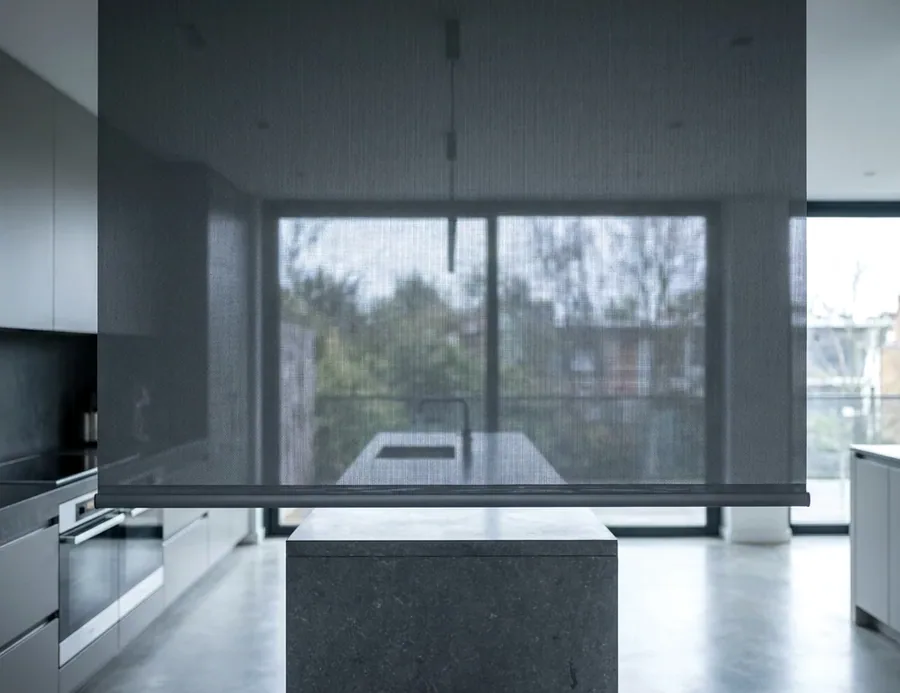
Sunscreen fabric is a roller blind with a difference you can see through. The weave is left slightly open — usually 3% or 5% of the surface — so glare and UV are knocked down hard while the view survives. On the deep north-facing living wings that define Sandhurst, that is normally the right first move: you keep the garden, you lose the squint.
Openness is a trade, and it is worth understanding before you choose. A 1–3% weave is tighter, darker and more protective; a 5–10% weave keeps more view and more light. Fabric colour matters as much as the number: a dark weave gives sharper outward view and less glare, a pale weave bounces more light back off the glass and keeps the room brighter.
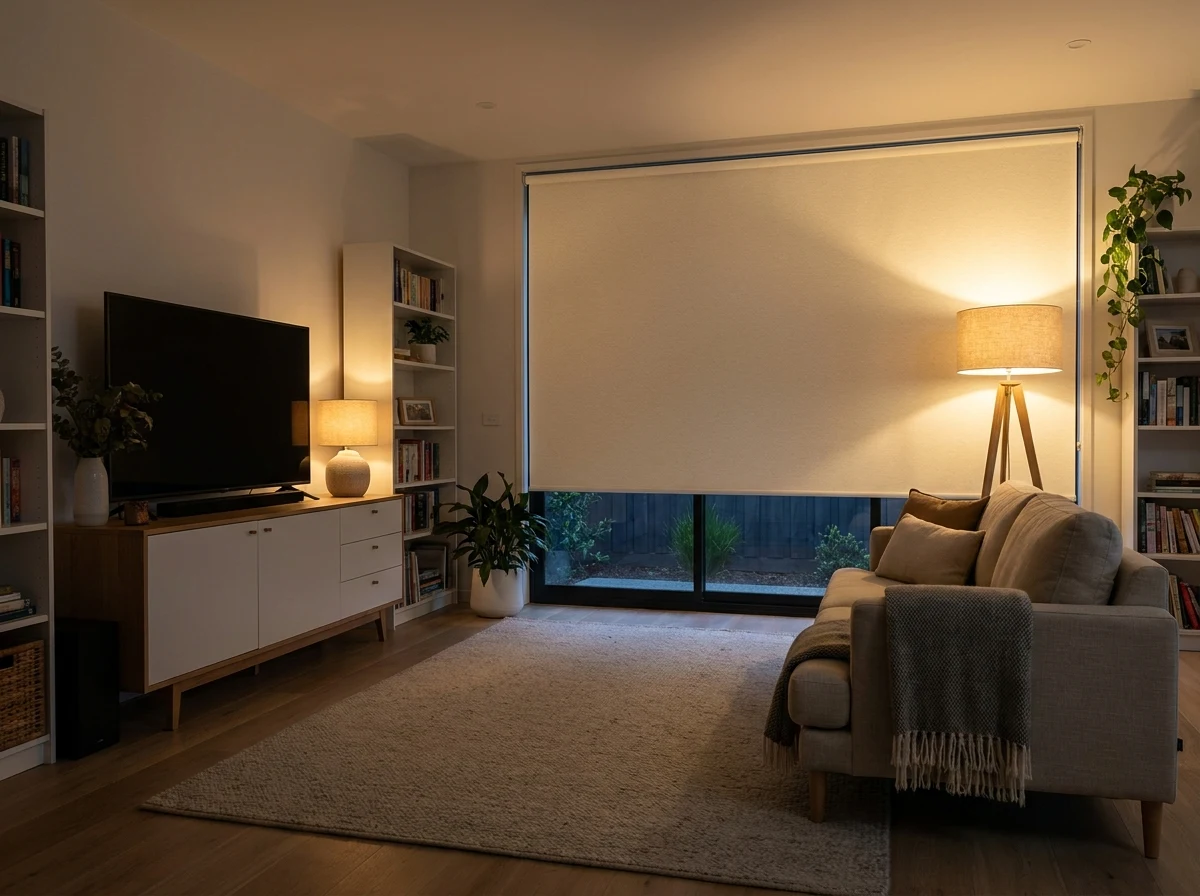
One thing we always say out loud: sunscreen works in one direction only. During the day you see out and passers-by see very little in. After dark, with the lights on, that reverses. Rooms that need evening privacy get a blockout as well, often on the same double bracket.
Practical notes
- 3%, 5% and 10% openness weaves; charcoal, linen and bone tones in the sample folder.
- Double brackets for a sunscreen-by-day, blockout-by-night pairing on one window.
- UV reduction protects timber floors, art and upholstery on a hard north elevation.
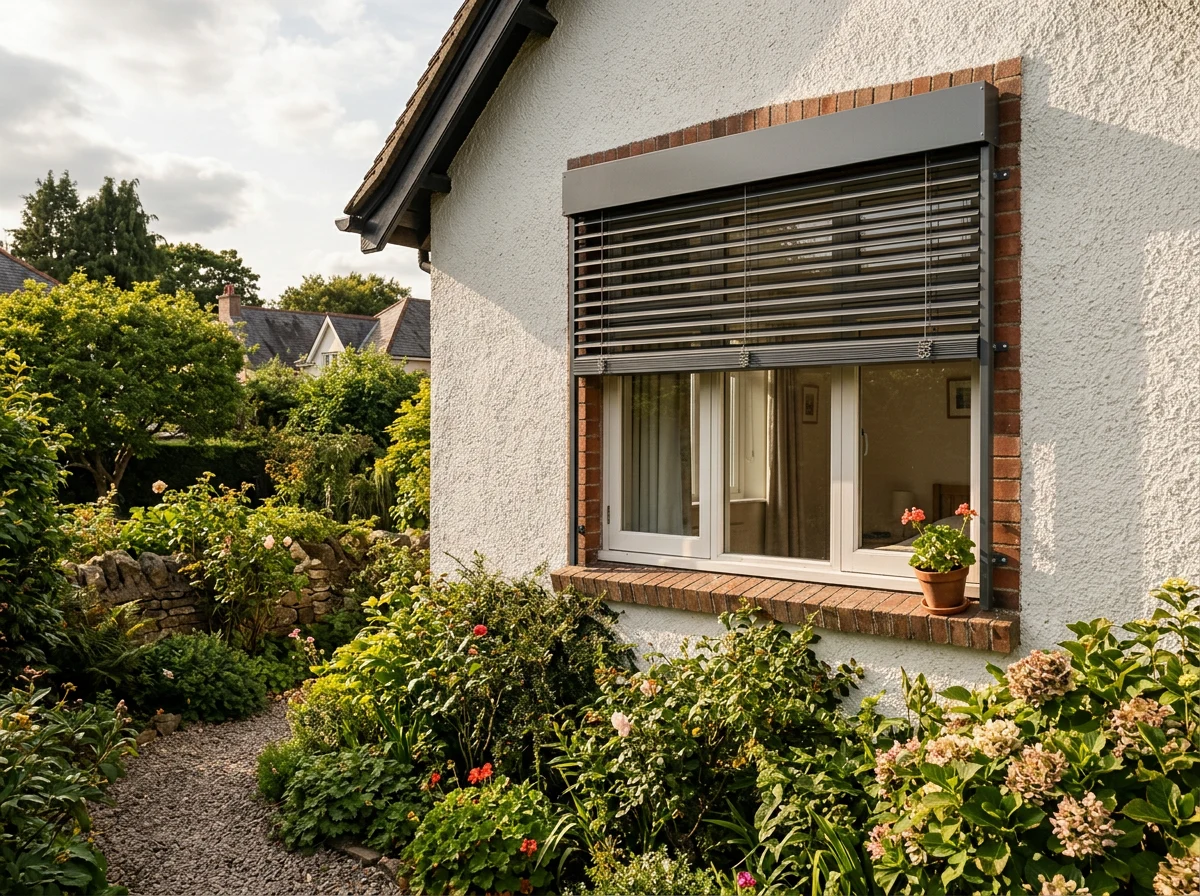
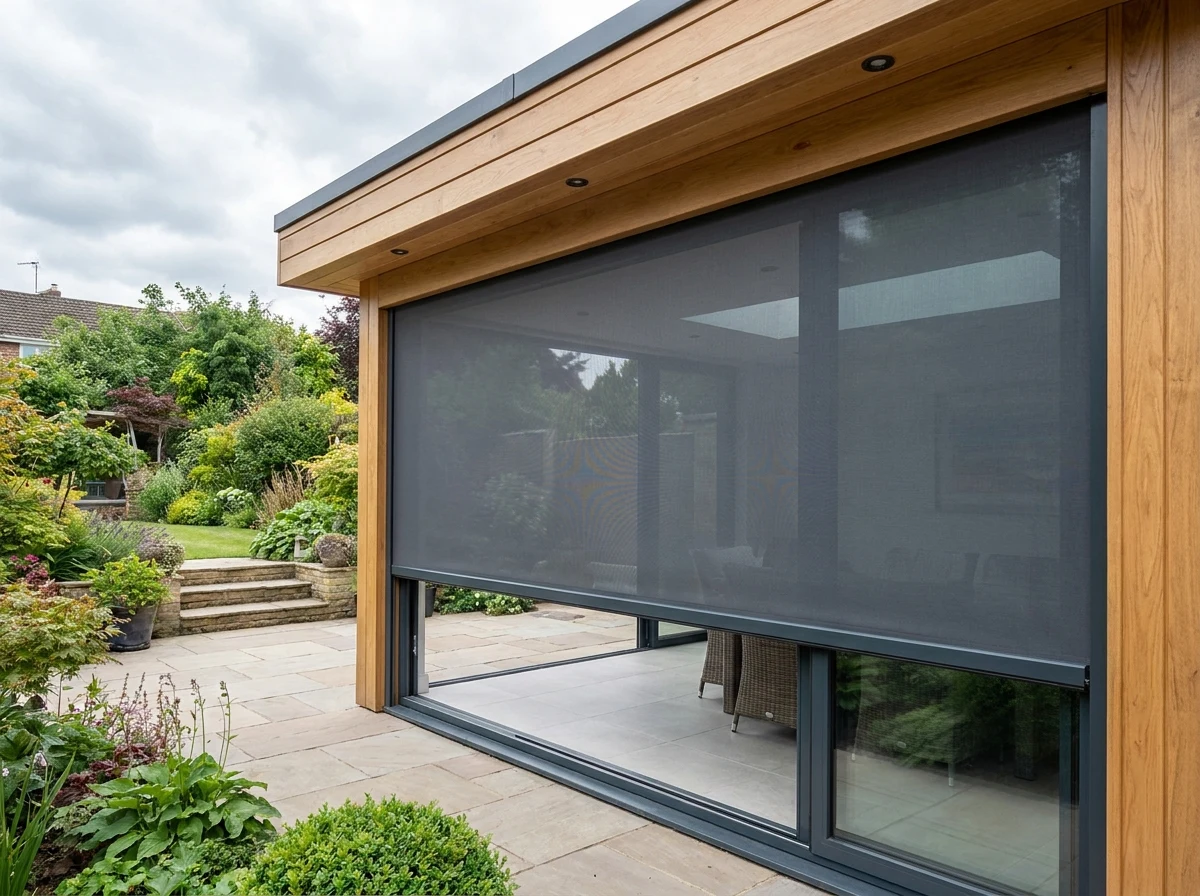
- The same fabrics run in exterior-grade versions for zip screens and outdoor blinds.
Often specified together